In today’s competitive digital landscape, mastering lead generation is the ultimate game-changer for businesses aiming to scale. It’s not just about attracting visitors—it’s about turning them into loyal customers. Let’s dive into the most effective strategies that actually work.


What Is Lead Generation and Why It Matters

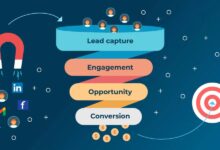
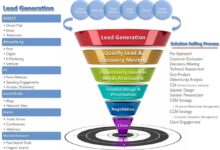
Lead generation is the process of attracting and converting strangers and prospects into individuals who have shown interest in your company’s product or service. It’s the lifeblood of sales and marketing, fueling pipelines and driving revenue growth. Without a steady flow of qualified leads, even the best products can struggle to gain traction.
The Core Definition of Lead Generation
At its heart, lead generation is about initiating consumer interest or inquiry into a business’s products or services. This process typically involves capturing contact information—like names, email addresses, or phone numbers—through various digital or offline channels. The goal? To nurture these prospects until they’re ready to buy.
Why Lead Generation Is Critical for Business Growth
According to HubSpot, companies that excel at lead generation grow 2.5x faster than their peers. Why? Because consistent lead flow ensures a healthy sales pipeline. Whether you’re a startup or an enterprise, generating high-quality leads directly impacts your bottom line. It reduces customer acquisition costs and increases conversion rates when done right.
“Lead generation isn’t just marketing—it’s revenue engineering.” — Neil Patel
7 Powerful Lead Generation Strategies That Deliver Results
Not all lead generation tactics are created equal. Some bring in a flood of unqualified traffic, while others generate a steady stream of high-intent buyers. Below are seven proven strategies backed by data and real-world success.
1. Content Marketing with High-Value Lead Magnets
Content marketing remains one of the most effective ways to generate leads organically. By offering valuable content—such as eBooks, whitepapers, or templates—you can attract visitors and convert them into leads.
- Create in-depth guides that solve specific pain points.
- Use gated content behind a simple opt-in form.
- Optimize landing pages for conversions using tools like Unbounce.
For example, a SaaS company offering a free “SEO Audit Template” can capture hundreds of marketing manager emails each month—highly qualified B2B leads.
2. Search Engine Optimization (SEO) for Organic Lead Flow
SEO is a long-term lead generation powerhouse. When your content ranks on the first page of Google, it attracts users actively searching for solutions you provide.
- Target buyer-intent keywords like “best CRM for small business”.
- Optimize on-page elements: meta descriptions, headers, internal links.
- Build authority with backlinks from reputable sites like Backlinko.
A well-optimized blog post can generate leads for years with minimal maintenance—making SEO one of the highest ROI lead generation methods.
3. Paid Advertising with Precision Targeting
Paid ads—especially on platforms like Google Ads and Facebook—offer instant visibility and lead generation potential. The key is targeting the right audience with compelling offers.
- Use lookalike audiences on Facebook to reach new prospects similar to your customers.
- Run Google Search ads for high-intent keywords.
- Retarget website visitors with dynamic ads to boost conversions.
According to WordStream, businesses make an average of $2 in revenue for every $1 spent on Google Ads—making it a powerful tool for scalable lead generation.
4. Webinars That Convert Viewers into Leads
Webinars are one of the most effective lead generation tools, especially in B2B markets. They allow you to demonstrate expertise, build trust, and collect leads in real time.
- Choose topics that address urgent industry challenges.
- Require registration with email and company info.
- Follow up with automated email sequences post-event.
Companies like HubSpot and Salesforce regularly use webinars to generate thousands of qualified leads per event.
5. Social Media Engagement and Lead Capture
Social media isn’t just for brand awareness—it’s a powerful lead generation channel when used strategically. Platforms like LinkedIn, Instagram, and Facebook offer built-in tools to capture leads.
- Use LinkedIn Lead Gen Forms to collect data without friction.
- Run Instagram contests that require email entry.
- Host live Q&A sessions and promote lead magnets during the stream.
A study by Hootsuite found that 73% of B2B marketers acquire customers through LinkedIn—making it a top platform for professional lead generation.
6. Email Marketing Funnels That Nurture Leads
Email marketing remains one of the highest ROI channels for lead generation and nurturing. Once you’ve captured an email, you can guide prospects through a journey that builds trust and drives conversions.
- Use lead segmentation to send personalized content.
- Set up automated drip campaigns based on user behavior.
- Include clear CTAs in every email to move leads down the funnel.
According to Campaign Monitor, segmented email campaigns generate 30% more opens and 50% more clicks—directly improving lead conversion rates.
7. Referral and Partner Programs That Multiply Leads
Leveraging existing customers and partners can supercharge your lead generation efforts. People trust recommendations from peers more than ads.
- Launch a customer referral program with incentives.
- Partner with complementary businesses for co-marketing.
- Use affiliate networks to scale lead acquisition.
Dropbox famously grew its user base by 60% in 15 months using a referral program—proving that word-of-mouth is still one of the most powerful lead generation engines.
Essential Tools for Effective Lead Generation
No lead generation strategy succeeds without the right tools. From capturing leads to nurturing them, technology plays a crucial role in scaling your efforts efficiently.
CRM Systems to Manage and Track Leads
A Customer Relationship Management (CRM) system is the backbone of any lead generation operation. It helps you store lead data, track interactions, and automate follow-ups.
- Salesforce offers robust features for enterprise-level lead management.
- HubSpot CRM is ideal for small to mid-sized businesses with free, scalable options.
- Zoho CRM provides affordable automation and analytics.
Using a CRM ensures no lead falls through the cracks and enables personalized communication at scale.
Landing Page Builders for Higher Conversion Rates
Your landing page is often the first real interaction a prospect has with your brand. A poorly designed page can kill even the best lead generation campaign.
- Unbounce and Leadpages allow drag-and-drop creation of high-converting landing pages.
- Instapage offers advanced A/B testing and personalization features.
- ConvertKit is great for creators focusing on email-based lead generation.
According to a study by WordStream, the average landing page conversion rate is 2.35%, but the top 25% convert at 5.31% or higher—highlighting the importance of optimization.
Email Automation Platforms
Manually emailing every lead isn’t scalable. Email automation platforms help you send the right message at the right time.
- Mailchimp is user-friendly and great for beginners.
- Klaviyo excels in e-commerce lead nurturing.
- ActiveCampaign combines email marketing with powerful CRM and automation.
Automation allows you to nurture hundreds or thousands of leads simultaneously, increasing engagement and conversion rates without extra effort.
How to Qualify and Score Leads Effectively
Not all leads are created equal. Generating 1,000 leads means nothing if none are ready to buy. That’s why lead qualification and scoring are critical components of a successful lead generation strategy.
Understanding MQLs vs SQLs
Marketing Qualified Leads (MQLs) are prospects who have engaged with your content and shown interest but aren’t yet ready to talk to sales. Sales Qualified Leads (SQLs), on the other hand, have been vetted and are ready for a sales conversation.
- MQLs might have downloaded a guide or attended a webinar.
- SQLs have requested a demo, pricing, or direct contact with sales.
- Clear definitions between MQLs and SQLs prevent misalignment between marketing and sales teams.
According to Gartner, companies with strong MQL-to-SQL alignment see 36% higher customer retention and 38% higher sales win rates.
Implementing Lead Scoring Models
Lead scoring assigns numerical values to prospects based on their behavior and demographic data. This helps prioritize the most promising leads.
- Behavioral scoring: +10 points for visiting the pricing page, +20 for downloading a case study.
- Demographic scoring: +15 for being a decision-maker, +10 for working in a target industry.
- Set thresholds (e.g., 50+ points) to automatically pass leads to sales.
Marketo reports that businesses using lead scoring experience a 77% increase in lead conversion rates.
“Without lead scoring, you’re flying blind in your lead generation efforts.” — Ann Handley
Measuring the Success of Your Lead Generation Campaigns
You can’t improve what you don’t measure. Tracking the right metrics ensures your lead generation efforts are effective and aligned with business goals.
Key Performance Indicators (KPIs) for Lead Generation
To evaluate your lead generation success, focus on these core KPIs:
- Conversion Rate: Percentage of visitors who become leads. Industry average: 2-5%.
- Cost Per Lead (CPL): How much you spend to acquire one lead. Lower CPL = higher efficiency.
- Lead-to-Customer Rate: Percentage of leads that convert into paying customers.
- Return on Ad Spend (ROAS): Revenue generated per dollar spent on ads.
Google Analytics and UTM parameters are essential for tracking these metrics across channels.
Using Analytics Tools to Optimize Campaigns
Data-driven decisions separate average marketers from top performers. Use analytics tools to refine your lead generation approach.
- Google Analytics: Track traffic sources, user behavior, and conversion paths.
- Hotjar: See how users interact with your landing pages through heatmaps and session recordings.
- SEMrush or Ahrefs: Monitor SEO performance and keyword rankings.
Regular A/B testing of headlines, CTAs, and forms can boost conversion rates by 20-50% over time.
Common Lead Generation Mistakes to Avoid
Even experienced marketers make mistakes that sabotage their lead generation results. Recognizing these pitfalls early can save time, money, and frustration.
Targeting the Wrong Audience
One of the most common mistakes is casting too wide a net. Generating leads from people who don’t need your product is wasteful.
- Define your ideal customer profile (ICP) clearly.
- Use buyer personas to tailor messaging and offers.
- Avoid generic targeting—precision beats volume.
According to Salesforce, 68% of marketing departments don’t have a documented ICP—no wonder many campaigns underperform.
Ignoring Lead Nurturing
Only 25% of leads are ready to buy immediately. The rest need nurturing through valuable content and consistent communication.
- Build email drip campaigns that educate and engage.
- Use retargeting ads to stay top-of-mind.
- Provide case studies and testimonials to build trust.
Marketo found that nurtured leads make 47% larger purchases than non-nurtured leads—proof that patience pays off.
Poor Follow-Up and Sales Alignment
Leads go cold fast. Research shows that 50% of leads are qualified but not followed up in time.
- Respond to inquiries within 5 minutes for maximum conversion.
- Use automated alerts to notify sales teams of new SQLs.
- Hold regular marketing-sales sync meetings to align goals.
InsideSales reports that companies that contact leads within 5 minutes are 21x more likely to qualify them.
Future Trends in Lead Generation
The world of lead generation is evolving rapidly. Staying ahead of trends ensures your strategies remain effective in the long term.
AI and Machine Learning in Lead Scoring
Artificial intelligence is transforming how we identify and prioritize leads. AI-powered tools analyze vast datasets to predict which leads are most likely to convert.
- Tools like Drift and HubSpot use AI to score leads in real time.
- Chatbots qualify leads 24/7, even outside business hours.
- Predictive analytics forecast customer behavior and lifetime value.
According to Salesforce, 84% of high-performing marketing teams use AI for lead scoring and segmentation.
Personalization at Scale
Generic messaging is dead. Today’s consumers expect personalized experiences based on their behavior and preferences.
- Dynamic website content that changes based on visitor profile.
- Personalized email subject lines and product recommendations.
- Behavior-triggered messages (e.g., abandoned cart emails).
Epsilon research shows that 80% of consumers are more likely to make a purchase when brands offer personalized experiences.
Rise of Conversational Marketing
Conversational marketing—using chatbots, live chat, and messaging apps—allows instant engagement with prospects.
- Reduce friction by answering questions in real time.
- Capture leads directly within chat interfaces.
- Integrate with CRM for seamless handoff to sales.
Drift’s research indicates that 64% of visitors prefer live chat for quick communication—making it a must-have for modern lead generation.
Conclusion: Building a Sustainable Lead Generation Engine
Lead generation is not a one-time campaign but a continuous process that fuels business growth. From creating high-value content to leveraging AI-driven tools, the strategies outlined above provide a comprehensive roadmap for generating, nurturing, and converting leads effectively. The key is consistency, measurement, and adaptation. By avoiding common pitfalls and embracing emerging trends, you can build a lead generation engine that scales with your business and delivers long-term results.
What is lead generation?
Lead generation is the process of attracting and converting prospects into potential customers by capturing their interest and contact information, typically through digital marketing efforts like content, ads, and social media.
What are the best lead generation strategies?
The most effective lead generation strategies include content marketing with lead magnets, SEO, paid advertising, webinars, social media lead capture, email marketing funnels, and referral programs.
How do you qualify a lead?
Leads are qualified by assessing their behavior (e.g., visiting pricing pages) and demographic fit (e.g., job title, company size). Marketing Qualified Leads (MQLs) become Sales Qualified Leads (SQLs) after meeting predefined criteria.
What tools are essential for lead generation?
Essential tools include CRM systems (HubSpot, Salesforce), landing page builders (Unbounce, Leadpages), email automation platforms (Mailchimp, ActiveCampaign), and analytics tools (Google Analytics, Hotjar).
How do you measure lead generation success?
Success is measured using KPIs like conversion rate, cost per lead (CPL), lead-to-customer rate, and return on ad spend (ROAS). Analytics tools help track and optimize performance over time.
Paragraf kesimpulan yang kuat.
Further Reading:
