Imagine having a steady stream of high-quality leads flowing into your business every single day—without chasing prospects or wasting ad spend. That’s the magic of a well-oiled leads bank. In today’s competitive digital landscape, mastering lead generation isn’t optional; it’s essential. This guide dives deep into what a leads bank really is, how to build one effectively, and the proven strategies that turn cold traffic into loyal customers.



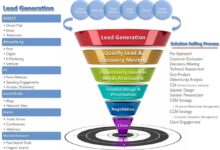
What Is a Leads Bank and Why It’s a Game-Changer

A leads bank is not a financial institution, but a strategic repository where businesses collect, organize, and nurture potential customer information. Think of it as a digital vault filled with names, emails, phone numbers, and behavioral data—all from individuals who’ve shown interest in your product or service. Unlike random leads, a leads bank is systematically managed to maximize conversion rates and customer lifetime value.
The Core Definition of a Leads Bank
At its heart, a leads bank is a centralized database that stores prospect information gathered from various marketing channels—social media, landing pages, webinars, or offline events. The goal is to create a sustainable pipeline of qualified leads ready for nurturing and sales follow-up. According to HubSpot, companies with strong lead management practices see a 10% or greater increase in revenue within 6–9 months (HubSpot).
How a Leads Bank Differs from Traditional Lead Lists
While a simple lead list might contain names and emails, a leads bank goes much deeper. It includes segmentation data, engagement history, lead scoring, and lifecycle stages. For example:
- Lead List: John Doe – john@email.com – downloaded a free guide
- Leads Bank Entry: John Doe – john@email.com – downloaded free guide – visited pricing page 3x – score: 78/100 – in nurture sequence #3
This depth allows for hyper-personalized marketing and higher conversion rates.
The Business Impact of a Well-Managed Leads Bank
A robust leads bank directly impacts revenue, customer acquisition cost (CAC), and marketing ROI. Businesses that use CRM-integrated leads banks report up to 27% higher sales performance (Salesforce, State of Sales Report). By nurturing leads over time, companies can convert even cold prospects when they’re ready to buy.
“A leads bank isn’t just a database—it’s your most valuable marketing asset. It turns fleeting interest into long-term revenue.” — Marketing Executive, TechSolutions Inc.
7 Key Components of a High-Performance Leads Bank
Building a leads bank that delivers consistent results requires more than just collecting emails. It demands a structured approach with clearly defined components. Let’s break down the seven essential elements that make a leads bank truly powerful.
1. Lead Capture Mechanisms
Without effective lead capture, your leads bank remains empty. Common tools include:
- Landing pages with opt-in forms
- Chatbots offering instant value (e.g., free consultation)
- Social media lead ads (Facebook, LinkedIn)
- Webinar registrations and gated content
Each of these should offer something valuable in exchange for contact information—this is known as a lead magnet.
2. Data Collection and Segmentation
Collecting data is only half the battle. The real power lies in segmentation. Segmenting your leads allows for personalized communication. Common segmentation criteria include:
- Demographics (age, location, job title)
- Behavior (pages visited, downloads, email opens)
- Lead source (Google Ads, referral, organic search)
- Interest level (hot, warm, cold)
For example, a B2B SaaS company might segment leads based on company size and industry to tailor onboarding sequences.
3. Lead Scoring System
Not all leads are created equal. A lead scoring system assigns points based on engagement and demographic fit. High-scoring leads are prioritized for sales outreach.
- +10 points for visiting the pricing page
- +20 points for downloading a case study
- +30 points for attending a demo
- -5 points for no email open in 30 days
Tools like Marketo and HubSpot automate this process, ensuring sales teams focus on the hottest prospects.
4. CRM Integration
A leads bank without CRM integration is like a car without an engine. CRM platforms like Salesforce, Zoho, or Pipedrive sync lead data, track interactions, and automate follow-ups. This integration ensures that no lead falls through the cracks and provides a 360-degree view of the customer journey.
5. Automated Nurturing Workflows
Most leads aren’t ready to buy immediately. Automated email sequences, SMS campaigns, and retargeting ads keep your brand top-of-mind. For instance, a 7-day nurture sequence might include:
- Day 1: Welcome email + free resource
- Day 3: Customer success story
- Day 5: Product demo invitation
- Day 7: Limited-time offer
According to Campaign Monitor, segmented and targeted emails generate 58% of all revenue.
6. Analytics and Performance Tracking
You can’t improve what you don’t measure. Key metrics to track in your leads bank include:
- Lead conversion rate
- Cost per lead (CPL)
- Time to conversion
- Lead-to-customer rate
- ROI by lead source
Google Analytics, UTM tracking, and CRM dashboards help visualize performance and optimize campaigns.
7. Compliance and Data Privacy
With regulations like GDPR and CCPA, managing a leads bank responsibly is non-negotiable. Ensure you have:
- Explicit consent for data collection
- Clear privacy policy links on all forms
- Easy opt-out/unsubscribe options
- Regular data audits and cleanups
Non-compliance can result in hefty fines and reputational damage.
How to Build a Leads Bank from Scratch
Starting a leads bank doesn’t require a massive budget or a tech team. With the right steps, even solopreneurs can build a scalable system. Here’s a step-by-step guide to launching your own leads bank.
Step 1: Define Your Ideal Customer Profile (ICP)
Before collecting leads, know who you’re targeting. Create a detailed ICP including:
- Industry and company size (for B2B)
- Job title and decision-making power
- Pain points and goals
- Preferred communication channels
This clarity ensures your leads bank fills with high-intent prospects, not just random sign-ups.
Step 2: Choose the Right Tools
Start with affordable, scalable tools:
- Email Marketing: Mailchimp, ConvertKit, or Brevo
- CRM: HubSpot (free tier), Zoho CRM
- Landing Pages: Leadpages, Unbounce, or WordPress + Elementor
- Automation: Zapier for connecting apps
These tools integrate seamlessly and grow with your business.
Step 3: Create High-Value Lead Magnets
A lead magnet is the incentive that convinces visitors to share their information. Effective lead magnets solve an immediate problem. Examples include:
- Free e-book: “10 Secrets to Doubling Your Sales”
- Checklist: “SEO Audit Checklist for 2024”
- Template: “Social Media Content Calendar”
- Mini-course: “5-Day Email Marketing Bootcamp”
The key is relevance and instant value.
Step 4: Set Up Landing Pages and Forms
Your landing page is the gateway to your leads bank. Best practices include:
- Clear headline that matches the ad or link
- Benefit-driven copy (not feature-focused)
- Minimal form fields (only ask for essential info)
- Strong call-to-action (CTA): “Get My Free Guide Now”
A/B testing different versions can boost conversion rates by 20% or more.
Step 5: Drive Targeted Traffic
No traffic = no leads. Use a mix of channels to attract your ideal audience:
- SEO-optimized blog content
- Paid ads (Google Ads, Facebook, LinkedIn)
- Social media engagement
- Email signature links
- Webinars and live events
Focus on quality over quantity—targeted traffic converts better.
Step 6: Automate Lead Capture and Tagging
Use automation to ensure every lead is captured and categorized instantly. For example:
- When someone downloads a guide, tag them as “content_downloader”
- If they attend a webinar, tag as “event_attendee” and increase lead score
- If they click a pricing link, route to sales team immediately
Zapier or native CRM workflows can handle this without manual effort.
Step 7: Begin Nurturing Immediately
The moment a lead enters your bank, start nurturing. Send a welcome email within 5 minutes. Follow up with educational content, testimonials, and soft sales pitches. The goal is to build trust and guide them toward a purchase decision.
Top 5 Strategies to Fill Your Leads Bank Consistently
A leads bank is only as good as its inflow. Here are five proven strategies to keep your leads bank full and growing.
1. Content Marketing with Gated Offers
Create high-value content (e.g., whitepapers, toolkits) and gate them behind a form. This works because:
- It attracts organic search traffic
- It positions your brand as an authority
- It captures leads at multiple funnel stages
For example, a financial advisor might offer a “Retirement Planning Calculator” in exchange for an email.
2. Webinars and Live Training
Webinars generate highly qualified leads. Attendees are actively seeking solutions. Promote your webinar via email, social media, and paid ads. During the session, collect engagement data (questions asked, time watched) to score leads.
According to ON24, 62% of webinar attendees are open to sales conversations afterward.
3. Referral and Partner Programs
Leverage your existing network. Encourage current customers or partners to refer leads. Offer incentives like discounts, cash, or exclusive access. This taps into warm audiences who already trust the referrer.
4. Paid Advertising with Lead Forms
Platforms like Facebook and LinkedIn offer instant lead forms that pre-fill user data, reducing friction. These ads can be hyper-targeted and scale quickly. Always A/B test ad copy, images, and audiences to optimize cost per lead.
5. Offline Events and Networking
Don’t overlook in-person opportunities. Trade shows, conferences, and local meetups allow you to collect leads face-to-face. Use QR codes or tablets to digitize sign-ups instantly and add them to your leads bank.
How to Nurture Leads from Your Leads Bank
Collecting leads is just the beginning. The real magic happens in nurturing. A well-nurtured lead is 47% more likely to convert (Annuitas Group). Let’s explore how to turn cold leads into hot customers.
Develop a Multi-Channel Nurturing Strategy
Don’t rely on email alone. Use a mix of channels:
- Email sequences
- SMS follow-ups
- Retargeting ads (Facebook, Google)
- Personalized LinkedIn messages
- Direct mail (for high-value B2B leads)
Each channel reinforces your message and keeps your brand visible.
Personalize Based on Lead Behavior
Use data from your leads bank to personalize communication. For example:
- If a lead downloaded a pricing guide, send a case study showing ROI
- If they abandoned a cart, send a discount offer
- If they watched a demo video, follow up with a sales call invitation
Personalization increases engagement and trust.
Use Drip Campaigns to Guide the Buyer’s Journey
Drip campaigns are automated sequences that deliver content based on time or behavior. A typical drip flow:
- Day 1: Welcome + lead magnet
- Day 3: Educational content
- Day 7: Social proof (testimonials)
- Day 10: Product demo or consultation offer
- Day 14: Limited-time incentive
This gradual approach builds credibility and reduces buyer resistance.
Common Mistakes to Avoid in Your Leads Bank Strategy
Even smart marketers make errors that sabotage their leads bank. Here are the most common pitfalls and how to avoid them.
Mistake 1: Collecting Leads Without a Clear Goal
Don’t collect leads just to boost numbers. Every lead should have a purpose—whether it’s nurturing, upselling, or market research. Define your goal before launching any campaign.
Mistake 2: Ignoring Lead Quality for Quantity
1000 unqualified leads are worth less than 100 targeted ones. Focus on attracting your ideal customer, not just anyone. Use precise targeting and qualifying questions in your forms.
Mistake 3: Failing to Follow Up Promptly
Leads go cold fast. Research shows that leads contacted within 5 minutes are 8x more likely to convert. Set up instant alerts and automated follow-ups to act fast.
Mistake 4: Not Cleaning Your Leads Bank Regularly
Outdated or invalid data reduces deliverability and wastes resources. Schedule quarterly cleanups to remove bounced emails, duplicates, and inactive leads.
Mistake 5: Over-Automating and Losing the Human Touch
Automation is powerful, but don’t let it replace genuine connection. Use personalization tokens, hand-written notes, and real-time chat to add warmth to your nurturing.
Advanced Tips to Maximize Your Leads Bank ROI
Once you’ve mastered the basics, it’s time to level up. These advanced strategies can dramatically increase your leads bank’s effectiveness.
Implement Predictive Lead Scoring
Go beyond basic scoring with AI-powered predictive models. Tools like Salesforce Einstein analyze historical data to predict which leads are most likely to convert. This allows for smarter prioritization and resource allocation.
Use A/B Testing to Optimize Every Touchpoint
Test everything: subject lines, CTA buttons, form lengths, landing page layouts. Even small changes can have big impacts. For example, changing a CTA from “Submit” to “Get My Free Guide” increased conversions by 32% in one case study (VWO).
Integrate with Sales Enablement Tools
Equip your sales team with insights from the leads bank. Tools like Gong or Chorus record calls and analyze conversations, helping refine messaging and improve close rates.
Leverage Social Proof in Nurturing
People trust peers more than ads. Include customer testimonials, case studies, and user-generated content in your emails and retargeting ads. This builds credibility and reduces skepticism.
Repurpose Inactive Leads
Not all leads convert immediately. Instead of deleting inactive ones, re-engage them with a win-back campaign:
- “We Miss You” email with a special offer
- “What did we miss?” survey to gather feedback
- Invitation to a new webinar or product launch
Sometimes, the right timing is all it takes.
Measuring Success: Key Metrics for Your Leads Bank
To ensure your leads bank is delivering results, track these key performance indicators (KPIs).
Lead Conversion Rate
This measures the percentage of leads that become customers. Formula: (Number of Customers / Total Leads) x 100. A healthy rate varies by industry but aim for 5–15% as a starting benchmark.
Cost Per Lead (CPL)
Calculate how much you spend to acquire each lead. CPL = Total Campaign Spend / Number of Leads. Lower CPL means better efficiency. Compare CPL across channels to allocate budget wisely.
Lead-to-Customer Cycle Time
How long does it take for a lead to convert? Shorter cycles mean faster revenue. Use CRM data to track this and identify bottlenecks in your funnel.
Return on Investment (ROI)
Ultimately, your leads bank should generate more revenue than it costs. ROI = (Revenue from Leads – Cost of Lead Generation) / Cost of Lead Generation. Aim for at least a 3:1 return.
Lead Quality Score
Develop an internal scoring system based on sales feedback. Ask your sales team to rate leads on relevance, engagement, and conversion likelihood. Use this to refine targeting and nurturing.
What is a leads bank?
A leads bank is a centralized database where businesses collect, organize, and nurture potential customer information. It’s used to manage and convert leads into paying customers through targeted marketing and sales efforts.
How do I start building a leads bank?
Start by defining your ideal customer, choosing the right tools (CRM, email platform), creating valuable lead magnets, setting up landing pages, driving targeted traffic, and automating lead capture and nurturing.
What tools are best for managing a leads bank?
Popular tools include HubSpot, Salesforce, Zoho CRM, Mailchimp, ConvertKit, and Unbounce. These platforms help with lead capture, segmentation, automation, and analytics.
How often should I clean my leads bank?
It’s recommended to clean your leads bank every 3–6 months. Remove invalid emails, duplicates, and inactive leads to maintain data quality and improve campaign performance.
Can a leads bank help with customer retention?
Yes. A leads bank isn’t just for acquisition. You can use it to re-engage past customers, offer upsells, and build loyalty through personalized communication.
Building and maintaining a powerful leads bank is one of the most impactful things you can do for your business. It transforms random traffic into a predictable revenue engine. By understanding what a leads bank is, implementing the right components, avoiding common mistakes, and measuring performance, you create a sustainable growth system. Whether you’re a startup or an established company, investing in your leads bank today will pay dividends for years to come. Start small, stay consistent, and watch your pipeline—and profits—grow.
Further Reading:
