What exactly is a leads definition, and why does it matter for your business growth? In today’s competitive market, understanding the true meaning and value of a lead can be the difference between success and stagnation. Let’s dive into the essentials.



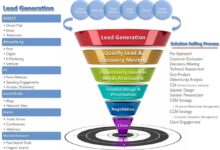
Leads Definition: The Core Concept Explained

At its most basic level, the leads definition refers to a potential customer who has shown interest in your product or service. This interest could come from filling out a form, subscribing to a newsletter, downloading a guide, or engaging with your content online. A lead is not yet a customer—but they are one step closer.
What Constitutes a Lead?
Not every website visitor qualifies as a lead. A lead is someone who has taken a specific action that indicates intent. For example, if a user visits your homepage, that’s traffic. But if they sign up for a free trial, they become a lead. The key is the exchange of contact information for value.
- Voluntary submission of personal data (e.g., email, phone number)
- Engagement with a call-to-action (CTA)
- Interaction with gated content (e.g., whitepapers, webinars)
This distinction is crucial for marketing and sales teams to focus their efforts efficiently. According to Investopedia, a lead is “an individual or organization that has the potential to make a purchase.”
Why the Leads Definition Matters in Business
Understanding the precise leads definition helps businesses streamline their marketing strategies. Without a clear definition, companies risk wasting resources on unqualified prospects. A well-defined lead enables segmentation, targeted communication, and measurable conversion paths.
“A lead is the starting point of the customer journey. Define it clearly, or you’ll lose it in the noise.” — Marketing Strategist, HubSpot
When teams align on what constitutes a lead, they can design better campaigns, improve lead scoring, and enhance sales follow-up. This alignment between marketing and sales—often called “sales and marketing alignment”—is proven to increase revenue by up to 36% according to HubSpot’s research.
Types of Leads: Understanding the Different Categories
Not all leads are created equal. The leads definition evolves based on the level of engagement and readiness to buy. Businesses must categorize leads to apply the right nurturing strategy. Let’s explore the main types.
Marketing Qualified Leads (MQLs)
Marketing Qualified Leads (MQLs) are individuals who have engaged with marketing efforts but aren’t yet ready to speak with sales. They might have downloaded an ebook, attended a webinar, or visited pricing pages multiple times.
- Scored based on behavior (e.g., page visits, content downloads)
- Still in the awareness or consideration stage
- Require nurturing before sales contact
MQLs are vital because they represent warm prospects. According to MarketingProfs, companies that nurture MQLs see a 45% higher conversion rate than those that don’t.
leads definition – Leads definition menjadi aspek penting yang dibahas di sini.
Sales Qualified Leads (SQLs)
Sales Qualified Leads (SQLs) are leads that marketing has passed to the sales team because they’ve shown buying intent. This could include requesting a demo, asking for a quote, or directly contacting sales.
- Have expressed a need or pain point your product solves
- Fit the ideal customer profile (ICP)
- Are ready for direct sales engagement
The transition from MQL to SQL is a critical handoff. Poor communication here can result in lost opportunities. Salesforce reports that companies with strong MQL-to-SQL processes close deals 30% faster.
Product Qualified Leads (PQLs)
Product Qualified Leads (PQLs) are users who have experienced your product firsthand—often through a free trial or freemium model—and shown behaviors indicating they’re ready to upgrade.
- Used key features of the product
- Reached usage thresholds (e.g., number of logins, feature adoption)
- Exhibited intent signals (e.g., inviting team members, viewing pricing)
PQLs are especially relevant in SaaS businesses. As noted by ProfitWell, PQLs convert at 3–5x higher rates than traditional leads because they’ve already validated the product’s value.
How Leads Are Generated: Key Channels and Strategies
Understanding the leads definition is only half the battle. The next step is knowing how to generate them effectively. Different industries and business models rely on various lead generation channels.
Content Marketing and SEO
One of the most sustainable ways to generate leads is through content marketing. By creating valuable, SEO-optimized content, businesses attract organic traffic that can be converted into leads.
- Blogs, guides, and tutorials with lead capture forms
- Keyword targeting to attract high-intent searchers
- Gated content (e.g., PDFs, templates) in exchange for contact info
For example, a company offering CRM software might publish a guide titled “10 Ways to Improve Sales Productivity” and offer a downloadable checklist in exchange for an email address. This strategy builds trust and captures qualified leads. According to Backlinko, content marketing generates three times as many leads as traditional outbound marketing, at 62% lower cost.
Social Media and Paid Advertising
Social media platforms like LinkedIn, Facebook, and Instagram offer powerful lead generation tools. Paid ads can target specific demographics, interests, and behaviors to drive traffic to landing pages.
- Lead ads with pre-filled forms (e.g., Facebook Lead Ads)
- Retargeting campaigns for website visitors
- Promoted content that drives engagement and conversions
LinkedIn, in particular, is a goldmine for B2B lead generation. A study by LinkedIn Marketing Solutions found that 80% of B2B leads come from LinkedIn—more than any other social platform.
leads definition – Leads definition menjadi aspek penting yang dibahas di sini.
Email Marketing and Lead Nurturing
Email remains one of the highest ROI channels for lead generation and nurturing. Once a lead is captured, automated email sequences can guide them through the buyer’s journey.
- Welcome series for new subscribers
- Drip campaigns based on user behavior
- Personalized offers and case studies
According to the DMA, email marketing delivers $42 for every $1 spent—making it one of the most cost-effective lead nurturing tools available.
Lead Scoring: Prioritizing Quality Over Quantity
With the leads definition established and leads flowing in, the next challenge is prioritization. Not every lead deserves the same level of attention. Lead scoring helps businesses identify which leads are most likely to convert.
What Is Lead Scoring?
Lead scoring is a methodology used to rank prospects against a scale that represents their perceived value. Points are assigned based on demographic and behavioral data.
- Demographic factors: job title, company size, industry
- Behavioral factors: website visits, email opens, content downloads
- Negative scoring: inactivity or irrelevant job roles
For example, a CTO downloading a technical whitepaper might score higher than a student downloading the same document. This ensures sales teams focus on high-potential leads.
Implementing a Lead Scoring Model
Creating an effective lead scoring model requires collaboration between marketing and sales. The process typically involves:
- Defining ideal customer profiles (ICPs)
- Identifying key conversion behaviors
- Setting thresholds for MQL and SQL status
Tools like HubSpot, Marketo, and Salesforce offer built-in lead scoring features. A well-implemented model can increase sales productivity by 30%, according to Marketo.
“Lead scoring turns a flood of prospects into a focused pipeline.” — Sales Operations Expert
Lead Nurturing: Turning Interest Into Action
Only 25% of leads are ready to buy immediately. The rest require nurturing. The leads definition includes not just acquisition but also the process of guiding leads toward a purchase decision.
The Buyer’s Journey and Lead Nurturing
Leads move through three stages: awareness, consideration, and decision. Nurturing content should align with each stage.
leads definition – Leads definition menjadi aspek penting yang dibahas di sini.
- Awareness stage: educational content (e.g., blogs, infographics)
- Consideration stage: comparison guides, webinars
- Decision stage: case studies, free trials, demos
For instance, a lead who downloaded a guide on “Email Marketing Best Practices” might later receive an email about “How Our Tool Increased Open Rates by 40%.” This progression builds trust and relevance.
Automation and Personalization
Manual follow-ups are inefficient at scale. Marketing automation platforms enable personalized, timely communication based on lead behavior.
- Triggered emails based on actions (e.g., abandoned cart, page visit)
- Dynamic content that changes based on user data
- A/B testing to optimize messaging
According to CMO.com, companies using marketing automation see a 451% increase in qualified leads.
Measuring Lead Quality and Conversion Rates
Generating leads is one thing; converting them is another. To optimize your strategy, you must measure lead quality and track conversion metrics.
Key Metrics to Track
Several KPIs help assess the effectiveness of your lead generation and nurturing efforts:
- Conversion rate: percentage of leads that become customers
- Cost per lead (CPL): total spend divided by number of leads
- Lead-to-customer rate: how many leads actually buy
- Time to conversion: average duration from lead to sale
For example, if you spend $10,000 on ads and generate 500 leads, your CPL is $20. If 50 of those leads convert, your conversion rate is 10%. These numbers help refine your strategy.
Improving Lead Quality
High volume doesn’t always mean high value. To improve lead quality:
- Refine your target audience and ICP
- Use qualifying questions in forms
- Implement lead scoring early
- Align sales feedback with marketing
Sales teams should regularly provide feedback on lead quality. This loop ensures marketing adjusts messaging and targeting to attract better-fit prospects.
Common Mistakes in Lead Management
Even with a solid leads definition, businesses often make critical errors in lead management that hurt conversion rates.
leads definition – Leads definition menjadi aspek penting yang dibahas di sini.
Failing to Define a Clear Lead Definition
One of the most common mistakes is not having a shared, documented definition of what constitutes a lead. Without this, marketing might pass unqualified contacts to sales, leading to frustration and missed opportunities.
- Solution: Create a Service Level Agreement (SLA) between marketing and sales
- Define criteria for MQLs and SQLs
- Review and update the definition quarterly
A study by MarketingProfs found that companies with a formal lead definition see 20% higher sales productivity.
Ignoring Lead Nurturing
Many businesses focus solely on acquisition, neglecting the nurturing process. This results in leads going cold before they’re ready to buy.
- Solution: Build automated nurture sequences
- Use segmentation to deliver relevant content
- Monitor engagement and re-engage inactive leads
As Annuitas Group reports, nurtured leads make 47% larger purchases than non-nurtured leads.
Poor Follow-Up Timing
Timing is critical. Research by MarketingDonut shows that leads contacted within 5 minutes are 21 times more likely to convert than those contacted after 30 minutes.
- Solution: Use real-time alerts and CRM automation
- Implement chatbots for instant engagement
- Train sales teams on rapid response protocols
Delayed follow-up is one of the top reasons for lead leakage.
What is the basic leads definition?
The basic leads definition is a potential customer who has shown interest in your product or service by providing contact information or engaging with your brand in a measurable way.
What’s the difference between an MQL and an SQL?
leads definition – Leads definition menjadi aspek penting yang dibahas di sini.
A Marketing Qualified Lead (MQL) has engaged with marketing content but isn’t ready for sales. A Sales Qualified Lead (SQL) has been vetted and is ready for direct sales outreach.
How can I improve lead quality?
Improve lead quality by refining your target audience, using lead scoring, gathering sales feedback, and aligning marketing and sales on a shared lead definition.
What is a PQL?
A Product Qualified Lead (PQL) is a user who has interacted with your product (e.g., free trial) and demonstrated behaviors indicating they’re ready to upgrade to a paid plan.
Why is lead nurturing important?
Lead nurturing is important because most leads aren’t ready to buy immediately. Nurturing builds trust, educates prospects, and increases the likelihood of conversion over time.
Understanding the leads definition is the foundation of any successful sales and marketing strategy. From identifying what a lead is to generating, scoring, and nurturing them, each step plays a critical role in driving business growth. By avoiding common pitfalls and leveraging data-driven approaches, companies can turn interest into revenue more efficiently. The key is consistency, alignment, and continuous optimization.
leads definition – Leads definition menjadi aspek penting yang dibahas di sini.
Further Reading:
