Want to grow your business fast? Then you need one thing above all: leads. In today’s competitive digital world, generating high-quality leads isn’t just helpful—it’s essential for survival and growth. Let’s dive into the strategies that actually work.


What Are Leads and Why They Matter

At the heart of every successful business lies a steady stream of leads. But what exactly are leads, and why do they hold such power over growth, revenue, and long-term success? Understanding this foundational concept is the first step toward mastering customer acquisition.
Defining Leads in Modern Business
A lead is any individual or organization that has shown interest in your product or service. This interest can come in many forms—filling out a contact form, subscribing to a newsletter, downloading a whitepaper, or even engaging with your content on social media. The key is that they’ve taken an action indicating potential interest.
- Leads are not yet customers but are prospects in the sales funnel.
- They provide businesses with an opportunity to nurture relationships.
- Not all leads are equal—some are warmer (more engaged) than others.
According to HubSpot, companies that master lead generation grow 2.5x faster than those that don’t (HubSpot). This highlights how critical it is to focus on generating and managing leads effectively.
The Evolution of Lead Generation
Lead generation has evolved dramatically over the past two decades. In the early 2000s, cold calling and trade shows were the primary methods. Today, digital channels dominate. From SEO and content marketing to social media and paid ads, the tools available are more sophisticated and data-driven than ever.
- Traditional methods still exist but are often less effective.
- Digital transformation has made lead tracking and automation possible.
- Consumers now research products online before contacting a company, shifting power to inbound strategies.
“The best leads come from providing value first—solve a problem before asking for the sale.” — Neil Patel
Types of Leads: Knowing Your Audience
Not all leads are created equal. To build an effective marketing and sales strategy, you must understand the different types of leads and how to handle each. Categorizing leads helps prioritize efforts and allocate resources efficiently.
Marketing Qualified Leads (MQLs)
Marketing Qualified Leads (MQLs) are individuals who have engaged with your marketing efforts but aren’t yet ready to buy. They might have downloaded an eBook, attended a webinar, or clicked through a series of emails.
- MQLs are identified based on behavior and engagement metrics.
- They require further nurturing before being passed to sales.
- Common nurturing tactics include email drip campaigns and retargeting ads.
For example, someone who reads a blog post about “best CRM tools” and then downloads a related guide is likely an MQL. They’re interested but may still be comparing options.
Sales Qualified Leads (SQLs)
Sales Qualified Leads (SQLs) are leads that marketing has vetted and passed to the sales team because they’ve shown clear buying intent. This could include requesting a demo, asking for pricing, or speaking with a sales rep.
- SQLs have met specific criteria indicating readiness to purchase.
- They are typically warmer and require personalized follow-up.
- The conversion rate from SQL to customer is significantly higher than for MQLs.
According to Salesforce, companies with strong sales and marketing alignment see 36% higher customer retention and 38% higher sales win rates (Salesforce).
Product Qualified Leads (PQLs)
Product Qualified Leads (PQLs) are users who have experienced your product firsthand—often through a free trial or freemium model—and shown behaviors that indicate they’re ready to upgrade or purchase.
- PQLs are common in SaaS and tech companies.
- Behavioral triggers (e.g., using key features, hitting usage limits) signal purchase intent.
- They often convert faster because they’ve already seen the product’s value.
For instance, a user on a free plan of a project management tool who invites team members and creates multiple projects is likely a PQL.
Top 7 Strategies to Generate High-Quality Leads
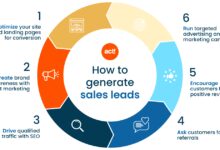
Generating leads isn’t about casting a wide net—it’s about fishing in the right pond with the right bait. Here are seven proven strategies that consistently deliver high-quality leads across industries.
Create High-Value Lead Magnets
A lead magnet is a free resource offered in exchange for contact information. The more valuable and relevant it is, the more leads you’ll generate.
- E-books, checklists, templates, and webinars are popular formats.
- Solve a specific pain point (e.g., “10 SEO Hacks to Double Your Traffic”).
- Use tools like Leadpages or ConvertKit to build and track landing pages.
For example, a financial advisor might offer a free retirement planning calculator. This not only captures leads but positions them as an expert.
Optimize Landing Pages for Conversion
Your landing page is where visitors become leads. If it’s not optimized, you’re leaving money on the table.
- Keep the design clean and focused on one goal: capturing leads.
- Use strong headlines, benefit-driven copy, and clear CTAs.
- Include social proof (testimonials, trust badges) to build credibility.
A/B testing can dramatically improve conversion rates. Unbounce reports that companies running A/B tests on landing pages see up to 30% higher conversion rates (Unbounce).
Leverage SEO and Content Marketing
Search engine optimization (SEO) is one of the most cost-effective ways to generate organic leads over time. By creating content that answers real user questions, you attract qualified traffic.
- Target long-tail keywords like “how to generate B2B leads”.
- Use blog posts, guides, and videos to build authority.
- Internal linking and keyword optimization boost visibility.
Backlinko’s research shows that the #1 result on Google gets 27.6% of all clicks—proving the power of ranking high (Backlinko).
Run Targeted Paid Advertising Campaigns
While organic growth takes time, paid ads can deliver leads quickly. Platforms like Google Ads, LinkedIn, and Facebook allow precise targeting.
- Google Ads are great for intent-based leads (e.g., “CRM software for small business”).
- LinkedIn Ads excel at B2B lead generation.
- Retargeting ads re-engage visitors who didn’t convert.
A well-structured campaign with a clear offer and landing page can achieve cost-per-lead (CPL) as low as $5–$20, depending on the industry.
Host Webinars and Live Events
Webinars are one of the most effective lead generation tools, especially for complex or high-ticket products.
- Offer educational content, not just sales pitches.
- Require registration to capture leads.
- Follow up with attendees using automated email sequences.
GoToWebinar found that 20–40% of webinar attendees convert into qualified leads, making it a high-ROI strategy.
Use Social Media Strategically
Social media isn’t just for brand awareness—it can be a powerful lead engine when used correctly.
- LinkedIn allows lead gen forms directly in ads.
- Facebook lead ads reduce friction by auto-filling user data.
- Engage in niche communities (e.g., Reddit, Facebook Groups) to build trust.
Buffer’s research shows that B2B companies get 80% of their leads from LinkedIn, making it the top platform for professional services.
Implement Email Marketing Funnels
Email remains one of the highest ROI marketing channels. A well-designed email funnel can nurture leads from awareness to purchase.
- Use lead capture forms on your website to grow your list.
- Send a welcome series to educate and build rapport.
- Segment your list based on behavior to send personalized offers.
According to DMA, email delivers $42 for every $1 spent—a 4,200% ROI (DMA).
Tools and Technologies to Manage Leads
Generating leads is only half the battle. To convert them into customers, you need the right tools to track, nurture, and manage them efficiently.
Customer Relationship Management (CRM) Systems
A CRM is the backbone of any lead management strategy. It stores lead data, tracks interactions, and helps automate follow-ups.
- Popular CRMs include HubSpot, Salesforce, and Zoho.
- They integrate with email, social media, and ad platforms.
- Automated workflows save time and reduce human error.
For example, when a lead downloads a guide, the CRM can automatically tag them and trigger a follow-up email sequence.
Marketing Automation Platforms
Marketing automation tools help scale lead nurturing without manual effort.
- Platforms like ActiveCampaign, Mailchimp, and Marketo offer powerful automation.
- Set up drip campaigns based on lead behavior.
- Use lead scoring to prioritize the hottest prospects.
Automated email sequences can increase lead conversion by up to 50%, according to Aberdeen Group.
Lead Capture and Form Builders
The easier it is to become a lead, the more leads you’ll get. Form builders simplify this process.
- Tools like Typeform, JotForm, and HubSpot Forms offer customizable designs.
- Embed forms on blogs, landing pages, and social media.
- Use progressive profiling to collect more data over time.
Reducing form fields from 4 to 3 can increase conversions by 50%, per research by HubSpot.
Measuring Lead Quality and Conversion Rates
Not all leads are worth the same. To maximize ROI, you must measure lead quality and track conversion rates across the funnel.
Key Metrics to Track
To understand your lead generation performance, monitor these critical metrics:
- Conversion Rate: Percentage of visitors who become leads.
- Cost Per Lead (CPL): How much you spend to acquire one lead.
- Lead-to-Customer Rate: Percentage of leads that become paying customers.
- Lead Score: A numerical value assigned based on engagement and fit.
Tracking these helps identify which channels and campaigns deliver the best results.
Lead Scoring Models
Lead scoring assigns points to leads based on demographic and behavioral data.
- Demographic factors: job title, company size, industry.
- Behavioral factors: page visits, email opens, content downloads.
- High scores indicate sales-ready leads.
For example, a lead who visits your pricing page and downloads a case study might score 80/100, while one who only reads a blog post scores 20/100.
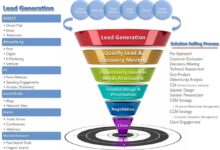
Funnel Analysis and Optimization
Analyzing your sales funnel helps identify drop-off points and areas for improvement.
- Map out each stage: awareness, interest, decision, action.
- Use tools like Google Analytics and Hotjar to visualize user behavior.
- Optimize underperforming stages with better messaging or UX.
Even a 10% improvement in funnel conversion can double your leads over time.
Common Mistakes in Lead Generation (And How to Avoid Them)
Many businesses struggle with lead generation not because they lack effort, but because they make preventable mistakes. Avoiding these pitfalls can dramatically improve your results.
Targeting the Wrong Audience
One of the most common mistakes is trying to appeal to everyone. This dilutes your message and attracts low-quality leads.
- Define your ideal customer profile (ICP) clearly.
- Use buyer personas to guide content and ad targeting.
- Focus on niches where you can dominate.
For example, a SaaS tool for HR managers shouldn’t target general business owners—it should speak directly to HR pain points.
Ignoring Lead Nurturing
Only 2% of leads convert on first contact. The rest need nurturing over time.
- Don’t treat leads as one-time conversions.
- Use email sequences, retargeting, and content to stay top-of-mind.
- Personalize communication based on lead behavior.
Marketo reports that nurtured leads make 47% larger purchases than non-nurtured ones.
Poor Follow-Up and Communication
Even the best leads go cold without timely follow-up.
- Respond to inquiries within 5 minutes for maximum conversion.
- Use automation to send immediate thank-you emails.
- Train sales teams on consultative, not pushy, communication.
According to InsideSales, 35–50% of sales go to the vendor that responds first.
The Future of Leads: Trends and Predictions
The way we generate and manage leads is constantly evolving. Staying ahead of trends ensures your business remains competitive and relevant.
AI and Predictive Lead Scoring
Artificial intelligence is transforming lead management. AI can analyze vast amounts of data to predict which leads are most likely to convert.
- Tools like Salesforce Einstein and HubSpot AI offer predictive insights.
- AI identifies patterns humans might miss.
- Automated recommendations improve targeting and timing.
By 2025, Gartner predicts that 80% of customer service interactions will be handled by AI.
Privacy-First Lead Generation
With increasing data privacy regulations (GDPR, CCPA), businesses must adapt how they collect and use lead data.
- Transparency in data collection is now mandatory.
- Permission-based marketing is becoming the norm.
- Zero-party data (data willingly shared by users) is gaining importance.
Companies that build trust through ethical data practices will win long-term loyalty.
Rise of Conversational Marketing
Chatbots, live chat, and messaging apps are changing how leads interact with brands.
- Instant responses increase engagement and conversion.
- Conversational AI qualifies leads in real-time.
- Platforms like Drift and Intercom lead this trend.
Drift found that 64% of consumers prefer to message a business rather than call.
Conclusion: Mastering Leads for Sustainable Growth
Leads are the lifeblood of any business. From understanding the different types to implementing powerful strategies and avoiding common mistakes, mastering lead generation is a journey of continuous improvement. The future belongs to those who combine data, technology, and human insight to build meaningful relationships—one lead at a time.
What is the most effective way to generate leads?
The most effective way depends on your industry and audience, but a combination of content marketing, SEO, and targeted paid ads consistently delivers high-quality leads. For B2B, LinkedIn and webinars are especially powerful.
How can I improve my lead conversion rate?
Focus on lead quality over quantity. Use lead scoring, nurture leads with personalized email sequences, optimize landing pages, and ensure fast follow-up. Small improvements in each area compound into big results.
What tools should I use to manage leads?
Start with a CRM like HubSpot or Salesforce. Pair it with a marketing automation tool (e.g., ActiveCampaign) and a form builder (e.g., Typeform). These tools integrate seamlessly and scale with your business.
Are free leads better than paid leads?
Free (organic) leads from SEO and content marketing are often higher quality and more cost-effective long-term. However, paid leads offer speed and scalability. A balanced approach using both is ideal.
How do I know if a lead is qualified?
A qualified lead meets your ideal customer profile and shows buying intent—such as requesting a demo, visiting pricing pages, or engaging repeatedly with your content. Use lead scoring to automate qualification.
Mastering leads isn’t a one-time task—it’s an ongoing process of testing, learning, and optimizing. By applying the strategies outlined in this guide, you’ll not only generate more leads but convert them into loyal customers. The future of your business starts with one lead at a time.
Further Reading:
