Ever wondered what ‘leads meaning’ really is and why it’s so crucial for businesses? It’s more than just potential customers—it’s the lifeblood of sales and marketing. Let’s break it down in simple, powerful terms.



Leads Meaning: The Core Definition and Business Impact

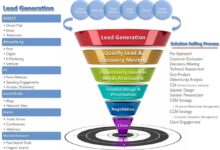
Understanding the true leads meaning is the first step toward building a successful sales funnel. At its core, a lead is any individual or organization that has shown interest in your product or service. This interest can be expressed in various ways—filling out a contact form, subscribing to a newsletter, downloading a whitepaper, or even engaging with your content on social media.
What Exactly Is a Lead?
A lead is not yet a customer, but a prospect who has taken an action indicating potential interest. According to Investopedia, a lead is “a potential sales contact.” This could be someone who has interacted with your brand but hasn’t made a purchase yet. The key is intent: the person has signaled that they might be open to further communication.
- A lead can be generated through online forms, live chats, or phone inquiries.
- They may not be ready to buy immediately but are in the consideration phase.
- Leads are often categorized based on their level of engagement and readiness to convert.
Why Leads Matter in Modern Business
In today’s competitive market, generating high-quality leads is essential for sustainable growth. Without leads, there are no opportunities to sell. Businesses rely on leads to fuel their sales pipelines, forecast revenue, and measure marketing effectiveness. A strong lead generation strategy can directly impact a company’s bottom line.
“A business without leads is like a car without fuel—it might look great, but it’s going nowhere.” — Sales Expert Brian Tracy
Moreover, understanding the leads meaning helps organizations align their marketing and sales teams. When both departments share a common definition of what constitutes a lead, collaboration improves, and conversion rates increase.
Types of Leads: From Cold to Hot
Not all leads are created equal. The leads meaning evolves depending on the stage of the buyer’s journey. Classifying leads helps businesses prioritize efforts and allocate resources efficiently. Let’s explore the main types of leads and what they signify.
Cold Leads: The Starting Point
Cold leads are individuals or companies that have had minimal or no interaction with your brand. They may have been acquired through purchased lists, trade shows, or broad advertising campaigns. While they represent potential, cold leads typically require significant nurturing before they become sales-ready.
leads meaning – Leads meaning menjadi aspek penting yang dibahas di sini.
- They often lack awareness of your product or service.
- Conversion rates for cold leads are generally low.
- Effective follow-up strategies include email drip campaigns and educational content.
For example, a person who signs up for a free webinar but doesn’t engage afterward is considered a cold lead. According to HubSpot, cold leads require consistent, value-driven communication to warm them up.
Warm Leads: Showing Genuine Interest
Warm leads have taken deliberate actions that indicate interest. They might have downloaded a product brochure, attended a demo, or requested more information. These leads are further along the sales funnel and are more likely to convert than cold leads.
- They’ve engaged with your content or sales team.
- They may be comparing your solution with competitors.
- Personalized follow-ups increase the chances of conversion.
For instance, a business owner who fills out a pricing inquiry form on your website is a warm lead. Their intent is clearer, and they’re likely in the evaluation phase of the buyer’s journey.
Hot Leads: Ready to Buy Now
Hot leads are the most valuable. They’ve demonstrated a strong intent to purchase and are often just one step away from closing the deal. These leads may have already spoken with a sales representative, added items to their cart, or requested a contract.
- They have a clear need and budget.
- They’re actively seeking a solution.
- Immediate follow-up is critical to prevent loss to competitors.
A hot lead might be someone who schedules a one-on-one consultation after using a free trial. As noted by Salesforce, hot leads should be prioritized and handed over to sales teams immediately for conversion.
Leads Meaning in Marketing vs. Sales
The interpretation of leads meaning can vary between marketing and sales departments. While both teams aim to generate revenue, their definitions and criteria for what constitutes a qualified lead often differ. Bridging this gap is essential for organizational success.
Marketing’s Perspective on Leads
From a marketing standpoint, a lead is anyone who has engaged with a brand through a tracked channel. This could include website visitors who submit their email, social media followers, or attendees of a virtual event. Marketers focus on volume and reach, aiming to capture as many potential prospects as possible.
leads meaning – Leads meaning menjadi aspek penting yang dibahas di sini.
- Marketing leads are often measured by conversion rates from campaigns.
- Tools like landing pages, CTAs, and lead magnets are used to attract leads.
- Marketing qualified leads (MQLs) are those who meet specific engagement thresholds.
For example, a user who downloads an eBook on “10 Ways to Improve Productivity” becomes a marketing lead. The marketer’s job is to nurture this lead until they’re ready for sales.
Sales’ Perspective on Leads
Sales teams are more concerned with leads that are ready to buy. They look for signals such as budget, authority, need, and timeline (BANT). A lead, from a sales perspective, must meet certain qualification criteria before being pursued.
- Sales qualified leads (SQLs) are those who have been vetted and deemed ready for a sales conversation.
- Sales reps prioritize leads based on likelihood to convert.
- Direct outreach, demos, and proposals are common next steps.
The disconnect often arises when marketing passes leads to sales that aren’t truly ready. This is why lead scoring and alignment between departments are crucial.
Aligning Marketing and Sales on Leads Meaning
To ensure smooth operations, companies must establish a shared understanding of what a lead is. This involves creating a Service Level Agreement (SLA) between marketing and sales that defines lead criteria, handoff processes, and follow-up timelines.
“When marketing and sales agree on lead definition, conversion rates improve by up to 30%.” — MarketingProfs
Regular meetings, shared KPIs, and CRM integration help maintain alignment. Tools like HubSpot and Salesforce allow both teams to track lead status in real time, reducing friction and improving efficiency.
How Leads Are Generated: Key Strategies
Understanding the leads meaning is only half the battle. The next step is knowing how to generate them effectively. Lead generation is the process of attracting and converting strangers into prospects. There are numerous strategies, both digital and traditional, that businesses use to build their lead pipelines.
Digital Marketing and Online Lead Generation
The internet has revolutionized lead generation. Websites, social media, search engines, and email campaigns are now primary sources of leads. Digital strategies offer scalability, measurability, and cost-effectiveness.
leads meaning – Leads meaning menjadi aspek penting yang dibahas di sini.
- Content marketing (blogs, eBooks, webinars) attracts organic traffic.
- Search engine optimization (SEO) increases visibility for high-intent keywords.
- Pay-per-click (PPC) ads target users actively searching for solutions.
For example, a law firm might create a blog post titled “How to File for Divorce in California” and include a contact form for free consultations. This content captures leads who are actively seeking legal help.
Social Media and Lead Capture
Social platforms like LinkedIn, Facebook, and Instagram are powerful tools for lead generation. They allow businesses to engage with audiences, build trust, and drive traffic to lead capture forms.
- LinkedIn is ideal for B2B lead generation through targeted outreach.
- Facebook Lead Ads enable users to submit information without leaving the platform.
- Instagram stories with swipe-up links can direct users to landing pages.
According to Social Media Examiner, 73% of marketers say LinkedIn generates the most qualified leads for their business.
Traditional Methods: Still Relevant?
While digital dominates, traditional methods like cold calling, trade shows, and print advertising still play a role in lead generation. These methods can be effective in specific industries or for reaching older demographics.
- Trade shows allow face-to-face interaction and immediate qualification.
- Cold calling, when done right, can uncover high-value prospects.
- Print ads in industry magazines can generate niche leads.
However, traditional methods often have lower ROI and are harder to track. They work best when integrated with digital follow-up systems.
Lead Qualification: Separating Gold from Dust
Not every lead is worth pursuing. The leads meaning becomes actionable only when leads are properly qualified. Lead qualification is the process of evaluating prospects to determine their likelihood of becoming customers.
The BANT Framework Explained
BANT—Budget, Authority, Need, and Timeline—is one of the most widely used lead qualification models. It helps sales teams assess whether a lead is ready to buy.
leads meaning – Leads meaning menjadi aspek penting yang dibahas di sini.
- Budget: Does the lead have the financial resources to make a purchase?
- Authority: Is the lead the decision-maker or influencer?
- Need: Does the lead have a problem your product can solve?
- Timeline: When does the lead plan to make a decision?
A lead who answers “yes” to all four criteria is considered highly qualified. For example, a CFO looking to implement new accounting software within the next 30 days and with approval to spend $10,000 is a prime candidate.
FAT: A Modern Alternative to BANT
While BANT is effective, some experts argue it’s outdated in today’s buyer-centric market. The FAT model—Funds, Authority, and Time—simplifies the process and focuses on essential criteria.
- Funds: Similar to budget, but more flexible.
- Authority: Still critical for decision-making.
- Time: Emphasizes urgency and timing.
FAT is often preferred in SaaS and subscription-based models where long sales cycles are common.
Lead Scoring: Automating Qualification
Lead scoring assigns numerical values to leads based on their behavior and profile. This helps prioritize follow-up efforts and improves conversion rates.
- Positive points are given for actions like visiting pricing pages or downloading case studies.
- Negative points may be assigned for inactivity or unqualified job titles.
- Automation tools like Marketo and Pardot use lead scoring to route leads to the right team.
For instance, a lead who visits your website three times in a week and clicks on a demo request button might score 85 out of 100, triggering an immediate sales alert.
Leads Meaning in CRM Systems
Customer Relationship Management (CRM) systems are central to managing the leads meaning in a business context. CRMs store lead data, track interactions, and automate workflows to improve efficiency.
How CRMs Capture and Organize Leads
Modern CRMs like Salesforce, HubSpot, and Zoho automatically capture leads from various sources—website forms, email campaigns, social media, and integrations with third-party tools.
leads meaning – Leads meaning menjadi aspek penting yang dibahas di sini.
- Leads are stored in a centralized database with contact details and interaction history.
- Automated tagging and segmentation help categorize leads by source, behavior, or industry.
- Integration with email and calendar tools enables seamless follow-up.
For example, when a user fills out a contact form, the CRM captures their name, email, and page visited, then assigns them to a sales rep based on territory or expertise.
Workflow Automation and Lead Nurturing
CRMs enable automated workflows that nurture leads over time. This includes sending personalized emails, scheduling follow-ups, and triggering alerts when a lead takes a specific action.
- Drip email campaigns keep leads engaged with relevant content.
- Task reminders ensure no lead falls through the cracks.
- Behavior-based triggers (e.g., visiting a pricing page) initiate targeted responses.
According to Zoho CRM, companies using automation see a 45% increase in qualified leads.
Analytics and Reporting on Lead Performance
CRMs provide powerful analytics that help businesses measure lead generation success. Dashboards show conversion rates, lead sources, sales cycle length, and ROI.
- Identify which channels generate the most qualified leads.
- Track lead-to-customer conversion rates over time.
- Optimize campaigns based on real-time data.
These insights allow marketers and sales leaders to refine strategies and allocate budgets more effectively.
Common Mistakes in Lead Management
Even with a clear understanding of leads meaning, many businesses fail to manage leads effectively. Avoiding common pitfalls can significantly improve conversion rates and customer acquisition costs.
Ignoring Lead Follow-Up Speed
One of the biggest mistakes is slow response time. Research by MarketingDonut shows that leads contacted within 5 minutes are 10x more likely to convert than those contacted after 30 minutes.
leads meaning – Leads meaning menjadi aspek penting yang dibahas di sini.
- Automated email responses can acknowledge receipt instantly.
- Live chat and chatbots provide immediate engagement.
- Sales teams should prioritize rapid follow-up as a KPI.
Delaying follow-up often results in lost opportunities, as prospects may choose competitors who respond faster.
Poor Lead Qualification
Chasing unqualified leads wastes time and resources. Sales teams may spend hours on prospects who lack budget or authority, leading to frustration and low morale.
- Implement clear qualification criteria (BANT or FAT).
- Use lead scoring to filter out low-potential leads.
- Train sales reps to ask qualifying questions early.
By focusing on high-quality leads, teams can improve efficiency and close more deals.
Lack of Lead Nurturing
Not all leads are ready to buy immediately. Many require nurturing through educational content, case studies, and personalized communication.
- Develop a content calendar for nurturing campaigns.
- Segment leads based on interests and behavior.
- Use email automation to deliver value over time.
According to Content Marketing Institute, nurtured leads make 47% larger purchases than non-nurtured leads.
What is the basic leads meaning?
The basic leads meaning refers to any individual or organization that has shown interest in a product or service but has not yet made a purchase. It’s the starting point of the sales funnel.
leads meaning – Leads meaning menjadi aspek penting yang dibahas di sini.
What are the different types of leads?
Leads are typically categorized as cold, warm, or hot based on their level of engagement. Cold leads have minimal interaction, warm leads have shown interest, and hot leads are ready to buy.
How do marketing and sales define leads differently?
Marketing defines leads as anyone who engages with content, while sales focuses on qualified prospects with budget, authority, need, and timeline (BANT). Alignment between teams is crucial.
What is lead qualification?
Lead qualification is the process of evaluating a prospect’s likelihood to convert. Common frameworks include BANT (Budget, Authority, Need, Timeline) and FAT (Funds, Authority, Time).
How can businesses improve lead conversion rates?
leads meaning – Leads meaning menjadi aspek penting yang dibahas di sini.
Businesses can improve conversion rates by responding quickly to leads, using lead scoring, nurturing prospects with valuable content, and aligning marketing and sales efforts.
Understanding the leads meaning is fundamental to any successful business strategy. From defining what a lead is to generating, qualifying, and nurturing them, every step impacts revenue and growth. By leveraging digital tools, aligning teams, and avoiding common mistakes, organizations can turn leads into loyal customers. The key is consistency, speed, and value-driven engagement. Whether you’re in marketing, sales, or leadership, mastering lead management is non-negotiable in today’s competitive landscape.
Further Reading:
