If you think you know Leeds FC, think again. This isn’t just another football club—it’s a legacy of passion, pain, and pride that echoes through English football history. From glory days to gut-wrenching lows, Leeds FC has lived a thousand lives on the pitch.
Leeds FC: A Legacy Forged in Fire

Leeds United Football Club, commonly referred to as Leeds FC, is more than a team—it’s a cultural institution in West Yorkshire. Founded in 1919, the club emerged from the ashes of Leeds City FC, which was disbanded due to financial misconduct during World War I. The Football League granted the city a new franchise, and Leeds United was born, quickly establishing itself as a force in English football.
The Birth of a Football Giant
The early years were about survival and structure. Under the guidance of manager Arthur Fairclough, Leeds FC began building a competitive side. Though they spent their first decade in the Second Division, their ambition was clear: to reach the top flight and stay there. In 1924, they achieved promotion, marking the beginning of their journey into footballing relevance.
- Founded in 1919 after the dissolution of Leeds City FC
- First promotion to First Division in 1924
- Early identity shaped by working-class roots and local pride
Despite early promise, Leeds FC struggled to maintain consistency in the top tier. Relegations and promotions became a recurring theme through the 1920s and 1930s. Yet, the club’s resilience laid the foundation for future greatness. The fans, known for their unwavering loyalty, filled Elland Road week after week, creating an atmosphere that would one day intimidate the best in the land.
Post-War Struggles and Rebuilding
After World War II, English football entered a new era. Leeds FC, however, found themselves adrift. Relegated in 1939 just before the war, they returned to a changed landscape. The 1950s were particularly bleak—hovering between mediocrity and obscurity. By 1959, they were relegated to the Second Division again, and for the first time, whispers of irrelevance began to circulate.
“Leeds United were a sleeping giant—everyone knew it, but no one knew when they’d wake up.” — Brian Clough
But the appointment of Don Revie as player-manager in 1961 changed everything. A former Manchester City and England star, Revie brought vision, discipline, and a revolutionary approach to training and team cohesion. He didn’t just want to win; he wanted to dominate.
The Don Revie Era: Glory Redefined
The 1960s and 70s were the golden age of Leeds FC. Under Don Revie, the club transformed from underachievers into one of the most feared and respected teams in Europe. Revie’s philosophy was built on fitness, tactical intelligence, and a deep sense of unity. He instilled a winning mentality that permeated every level of the club.
Trophies and Triumphs
Revie’s impact was immediate. In 1964, Leeds FC won promotion back to the First Division. By 1969, they clinched their first league title, finishing four points clear of Liverpool. This was just the beginning. Over the next decade, Leeds added:
- Second Division title (1964)
- First Division title (1969, 1974)
- FA Cup (1972)
- League Cup (1968)
- Inter-Cities Fairs Cup (1968, 1971)
The 1975 European Cup final remains one of the most controversial moments in football history. Facing Bayern Munich in Paris, Leeds FC were denied what many believe was a legitimate goal, and allegations of referee bias persist to this day. Bayern won 2-0, but the performance of Leeds earned global respect.
The Revie Revolution: Tactics and Team Culture
Don Revie didn’t just win—he redefined how football was played. His use of zonal marking, pressing, and structured build-up play was ahead of its time. The team featured legends like Billy Bremner, Johnny Giles, Jack Charlton, Norman Hunter, and Eddie Gray—players who combined grit, skill, and loyalty.
Revie also pioneered off-field innovations:
- Introduced sports science and fitness regimes long before they were standard
- Emphasized media relations and public image
- Built a youth academy that produced homegrown talent
But with success came criticism. Leeds FC were often labeled “dirty” due to their physical style. Managers like Brian Clough openly despised their approach. Yet, their consistency and results spoke for themselves. They weren’t just winning—they were dominating.
Leeds FC in the 1980s and 1990s: The Rollercoaster Years
After Revie’s departure in 1974 to manage England, Leeds FC entered a period of decline. The 1980s were particularly dark. Relegated in 1982, the club spent years in the Second Division, plagued by poor management, financial issues, and fan unrest. The glory days felt like a distant dream.
Relegation and Identity Crisis
The 1982 relegation marked the end of an era. Without Revie, the club lacked direction. Managers came and went—Eddie Gray, Allan Clarke, Billy Bremner—but none could restore the magic. By 1987, Leeds were in the Second Division, and in 1988, they narrowly avoided relegation to the Third Division—a humiliation for a club of their stature.
Ownership changes and fan protests became common. The club’s identity was in flux. Was Leeds FC still a giant? Or had they become just another provincial team?
The Howard Wilkinson Revival
Enter Howard Wilkinson in 1988. Hired as manager, Wilkinson brought stability and a clear vision. He focused on youth development, signing and nurturing talents like Lee Chapman, Gordon Strachan, and Gary McAllister. His disciplined approach paid off.
- Won the Second Division title in 1990, securing promotion
- Appointed first English manager to win the Football League Manager of the Year award
- Championed the FA’s “Club of the Future” initiative
In 1992, Leeds FC won the First Division title—the last before the Premier League era. It was a historic achievement, but also a bittersweet one. Financial constraints forced the sale of key players like McAllister, Strachan, and David Batty. The squad was dismantled just as the new Premier League promised massive TV revenues.
“We won the league, and then we lost the team. It was like building a palace and then selling the bricks.” — Howard Wilkinson
This decision haunted the club for decades. While rivals like Manchester United capitalized on the Premier League boom, Leeds FC struggled to keep pace.
Leeds FC in the Premier League: Boom, Bust, and Redemption
The early 2000s were a tale of extremes. Leeds FC returned to European prominence under David O’Leary, reaching the UEFA Champions League semi-finals in 2001. They played with flair, featuring stars like Harry Kewell, Mark Viduka, and Alan Smith. But behind the scenes, financial mismanagement was spiraling out of control.
Financial Collapse and Relegation
Chairman Peter Ridsdale’s “spend now, pay later” philosophy led to massive debt. The club borrowed against future TV revenues that never materialized at expected levels. When the bubble burst, Leeds FC were left exposed.
- Relegated from the Premier League in 2004
- Entered administration in 2007
- Relegated to League One (third tier) in 2007
It was the lowest point in the club’s history. For a team that had competed in Europe just years earlier, dropping to the third tier was unthinkable. Fans were devastated, protests erupted, and the future looked bleak.
The Road Back: From League One to the Premier League
Rebuilding began under new ownership. In 2017, Andrea Radrizzani purchased the club, bringing fresh investment and ambition. The appointment of Marcelo Bielsa in 2018 was a masterstroke. The Argentine manager, known for his intense tactics and man-management, transformed the team.
Bielsa’s impact was immediate:
- Instilled a high-pressing, attacking philosophy
- Revived fan morale and global interest
- Secured promotion to the Premier League in 2020 after a 16-year absence
The 2019–2020 Championship season was historic. Leeds FC finished first with 93 points, playing some of the most exciting football in the division. Bielsa became a cult hero, and Elland Road roared back to life.
Leeds FC and the Global Game: International Impact
Leeds FC’s influence extends far beyond England. The club has a massive global fanbase, with official supporters’ clubs in over 40 countries. Their style under Bielsa attracted attention from top European clubs and managers.
Bielsa’s Tactical Legacy
Marcelo Bielsa didn’t just save Leeds FC—he redefined modern football. His use of positional play, aggressive pressing, and data-driven preparation influenced managers like Pep Guardiola and Mauricio Pochettino.
- Guardiola once said, “Bielsa is the bible for all coaches.”
- Leeds’ 2019–2020 season studied by top academies worldwide
- Bielsa’s training methods adopted by clubs across Europe
Even after his departure in 2022, Bielsa’s legacy remains. The club’s identity is now tied to attacking, high-energy football—a stark contrast to the “dirty” label of the Revie era.
Leeds FC in Video Games and Pop Culture
The club’s resurgence boosted its presence in pop culture. Leeds FC is a favorite in FIFA and Football Manager games. Fans often choose them for “save the club” challenges, drawn by their rich history and underdog appeal.
- Featured in documentaries like “Take Us Home: Leeds United” (2019)
- Mentioned in music by artists like The Enemy and Kaiser Chiefs
- Elland Road used as a filming location for sports dramas
Their 2020 promotion was celebrated globally, with fans from Tokyo to Buenos Aires joining the party. Leeds FC had become a symbol of hope and resilience.
Elland Road: The Heartbeat of Leeds FC
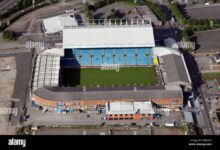
No discussion of Leeds FC is complete without Elland Road. Opened in 1897, it’s one of the oldest and most iconic stadiums in England. With a capacity of over 37,000, it’s a fortress on matchdays.
History and Architecture
Elland Road has undergone multiple renovations. The East Stand, West Stand, South Stand, and North Stand each tell a story of growth and ambition. The stadium hosted World Cup matches in 1966 and UEFA Cup games in the 1970s.
- Hosted England internationals and rugby matches
- Home to Leeds Rhinos (rugby league) until 2017
- Designated as an “All-Seater” stadium after the Taylor Report
Today, Elland Road is more than concrete and steel—it’s a cathedral of emotion. The roar of the crowd, the smell of pie and beer, the sea of white—it’s an experience that defines football passion.
The Fan Culture: Passion Beyond Football
Leeds FC fans, known as “The Whites,” are among the most passionate in the world. Their loyalty never wavered, even during the darkest years in League One.
- Organized protests against financial mismanagement
- Created fan-owned initiatives like “Leeds Fans United”
- Maintained a vibrant away following across the UK
The chant “We Are Leeds” echoes through every stadium they visit. It’s not just a song—it’s a declaration of identity.
Leeds FC: Rivalries, Records, and Legacy
Rivalries define football, and Leeds FC has some of the fiercest. Their matches are more than games—they’re battles for pride.
Key Rivalries
Leeds FC’s biggest rivals include:
- Manchester United: The “North West Derby” is fueled by historical tension and Sir Alex Ferguson’s disdain for Revie-era tactics.
- Chelsea: A rivalry born in the 1960s, reignited by Bielsa’s confrontations with Thomas Tuchel.
- Derby County: The Brian Clough feud made this one of English football’s most bitter rivalries.
Each match carries emotional weight, often spilling into fan culture and media narratives.
Club Records and Milestones
Leeds FC holds numerous records:
- Most consecutive seasons in top flight (1964–1982): 18
- Fastest goal in Premier League history: Ledley King (Tottenham) scored in 9.82 seconds against Leeds in 2000
- Longest-serving manager: Don Revie (1961–1974)
- Most appearances: Jack Charlton (629)
These records are more than stats—they’re chapters in a living history.
Leeds FC: The Future Unfolds
As of 2024, Leeds FC is navigating a new chapter. After relegation from the Premier League in 2023, the club is rebuilding under manager Daniel Farke. The focus is on youth development, financial sustainability, and long-term growth.
New Ownership and Strategic Vision
In 2023, 49ers Enterprises increased their stake, bringing Silicon Valley expertise to Yorkshire. Their model emphasizes data analytics, global scouting, and fan engagement.
- Investing in the Thorp Arch training facility
- Expanding international fan outreach
- Partnering with tech firms for performance tracking
The goal is clear: sustainable success, not short-term fireworks.
Youth Academy and Emerging Talent
The Leeds FC academy has produced stars like Harry Kewell, Ian Rush, and more recently, Sam Greenwood. The club is doubling down on youth, with a new development squad structure.
- Partnerships with local schools and grassroots clubs
- Focus on technical and mental development
- Integration with first-team coaching philosophy
The future may well be homegrown.
What is Leeds FC’s most famous achievement?
Leeds FC’s most famous achievement is winning the English First Division title in 1969 and 1974 under Don Revie, along with reaching the 1975 European Cup final. Their dominance in the 1970s cemented their legacy as one of England’s greatest clubs.
Why was Leeds FC relegated in 2004?
Leeds FC were relegated in 2004 due to severe financial mismanagement. Years of overspending on transfers and wages, combined with failure to qualify for the Champions League, led to unsustainable debt and a weakened squad.
Who is the greatest Leeds FC player of all time?
Billy Bremner is widely regarded as the greatest Leeds FC player. A diminutive midfielder with immense leadership, he captained the team during the Revie era, earning 54 caps for Scotland and becoming a symbol of the club’s fighting spirit.
What is Elland Road’s capacity?
Elland Road has a capacity of 37,792, making it one of the largest club stadiums in England. It has hosted international matches, cup finals, and major concerts.
Is Leeds FC owned by the 49ers?
Leeds FC is majority-owned by 49ers Enterprises, the investment arm of the NFL’s San Francisco 49ers. They acquired a controlling stake in 2023, bringing new financial stability and strategic direction.
Leeds FC is more than a football club—it’s a story of resilience, identity, and unyielding passion. From the Revie era to Bielsa’s revolution, from triumph to tragedy and back again, the club has lived every emotion. As they rebuild once more, one truth remains: Leeds FC will never stop fighting. The roar of Elland Road will echo for generations, a testament to a legacy that refuses to fade.
Further Reading:
